A Table by the Nile: The Distinctive Culinary Traditions of Asyut and Upper Egypt
Food has a way of encoding a place's history more honestly than any official record. In Asyut, the largest city in Upper Egypt, every communal meal reflects centuries of agricultural practice, religious observance, and geographic circumstance. The dishes prepared in Asyuti kitchens today carry the fingerprints of Pharaonic farming, Coptic Christian fasting traditions, Islamic dietary customs, and the enduring logic of cooking in a hot, arid climate alongside one of the world's great rivers.
For American readers accustomed to encountering Egyptian cuisine primarily through hummus and falafel at Middle Eastern restaurants, Asyut's food culture may come as a revelation. It is a regional tradition that has developed largely in isolation from the cosmopolitan influences that shaped coastal Egyptian cooking, producing dishes that are simultaneously ancient in character and vividly alive in contemporary practice.
The Land That Feeds Asyut
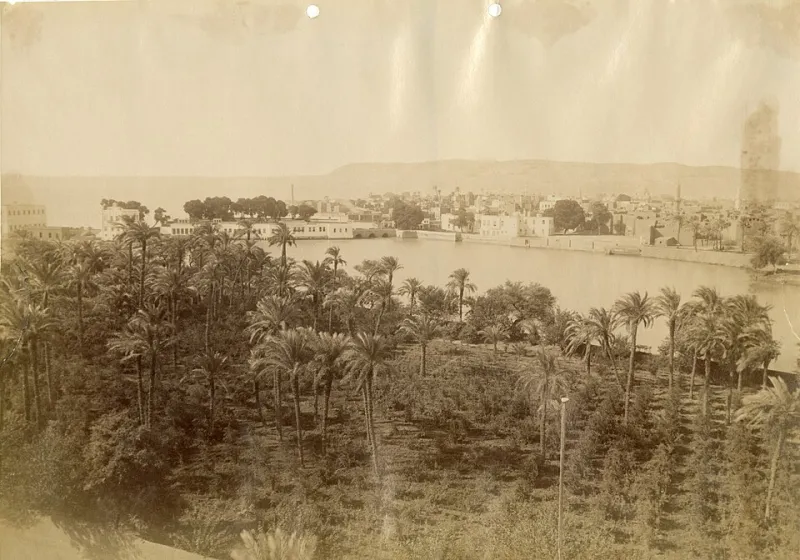
To understand what Asyuti people eat, one must first understand what the land produces. The Nile valley around Asyut supports a remarkably diverse agricultural base. Wheat, sorghum, and maize form the grain foundation of the diet. Sugarcane dominates large stretches of cultivated land, contributing both to the local sugar industry and to the sweetened preparations that appear throughout the region's culinary repertoire.
Vegetables grown in the rich, alluvial soil of the valley include fava beans, lentils, leeks, onions, garlic, and molokhia—a leafy green with a distinctly mucilaginous texture that Americans might find unfamiliar but which Upper Egyptians have consumed for millennia. Date palms line the desert margins, supplying fruit that functions as both a staple food and a marker of hospitality. Livestock—primarily water buffalo, cattle, sheep, and goats—contribute dairy products and meat to a diet that, for much of the population, remains plant-forward out of both tradition and economic necessity.
This agricultural landscape directly shapes what appears on the Asyuti table. Unlike coastal Egyptian cities with access to Mediterranean seafood, Asyut's protein sources lean toward freshwater fish from the Nile, legumes, and occasionally poultry or red meat reserved for festive occasions.
Ful and Falafel, Upper Egyptian Style
No discussion of Asyuti food can proceed without addressing ful medames—slow-cooked fava beans seasoned with olive oil, lemon, garlic, and cumin. This dish, consumed across Egypt and much of the Arab world, takes on a distinctly Upper Egyptian character in Asyut. Local preparations tend toward a thicker, more robustly spiced consistency than the versions common in Cairo, often incorporating additional cumin and a generous hand with garlic that reflects the regional preference for assertive flavoring.
Falafel in Asyut—known locally as ta'meya, consistent with Egyptian usage—is made from fava beans rather than the chickpea-based version familiar to most Americans. The Asyuti variety is typically denser and more heavily herbed than its northern counterparts, with generous quantities of fresh parsley and coriander folded into the mixture before frying. Served with flatbread, pickled vegetables, and a drizzle of tahini, it constitutes a complete and deeply satisfying meal that Asyutis consume at virtually any hour of the day.
Molokhia and the Art of Slow Cooking
Molokhia soup—prepared by simmering the chopped leaves of the jute plant in a rich broth and finishing with a sizzling garlic and coriander mixture called a ta'liya—is an Upper Egyptian staple that carries particular cultural weight in Asyut. The dish's preparation is considered a domestic art; the quality of a cook's molokhia reflects skill in achieving the right viscosity and the precise timing of the ta'liya, which must be added at the final moment to preserve its aromatic punch.
In Asyut, molokhia is most commonly served over white rice with braised rabbit or chicken, though the dish adapts readily to the ingredients at hand. During lean periods or days of religious fasting, it is consumed simply with bread, demonstrating the dish's flexibility across economic circumstances.
Kushari and Its Regional Variations
Kushari—Egypt's beloved combination of rice, lentils, macaroni, fried onions, and spiced tomato sauce—is often described as the country's national dish, and Asyut has its own relationship with this layered preparation. While the basic composition remains consistent with the national standard, Asyuti versions frequently incorporate a heavier proportion of lentils relative to pasta, reflecting the region's deep agricultural ties to legume cultivation.
Local kushari vendors in Asyut are known to apply a more generous measure of cumin-forward tomato sauce and a sharper vinegar-garlic dressing than their Cairo counterparts, producing a version that regular consumers describe as more pungent and complex. For American readers who have encountered kushari at Egyptian or Middle Eastern restaurants in cities like New York or Los Angeles, the Asyuti interpretation would register as a noticeably bolder experience.
Festive Foods and the Rhythm of the Religious Calendar
Asynt's culinary calendar is inseparable from its religious one. The city's significant Coptic Christian population observes fasting periods—most notably the Great Lent before Easter—during which animal products are avoided entirely. This tradition has produced a rich repertoire of plant-based dishes that Coptic Asyutis have refined over generations. Preparations featuring dried fava beans, lentil stews, stuffed grape leaves cooked in olive oil, and date-sweetened pastries all feature prominently during fasting periods.
For the Muslim majority, Ramadan transforms the city's food culture dramatically. Iftar tables—the meal breaking the daily fast at sunset—center on dates and water as the opening gesture, followed by soup (typically lentil or vegetable-based), then a succession of dishes that might include grilled meats, rice preparations, and stuffed vegetables. The communal dimension of Ramadan eating in Asyut is pronounced; neighborhood tables set in the street are common during the month, a practice that reinforces social bonds across economic lines.
Eid al-Adha, the Feast of Sacrifice, brings lamb and beef to tables that might otherwise rarely feature red meat. Asyuti preparations of grilled lamb offal—liver, heart, and kidney seasoned with cumin and chili—are considered a particular regional specialty enjoyed during this celebration.
Sweets of the Nile Valley
Asynt's dessert tradition leans on honey, dates, and semolina in ways that reflect the region's agricultural surplus. Basbousa—a dense semolina cake soaked in sugar syrup—appears at celebrations throughout the year. Om Ali, a bread pudding-style dessert made with layers of pastry, milk, cream, and nuts, is prepared for special guests and family gatherings. Locally produced honey, derived from hives kept along the valley's agricultural margins, sweetens many preparations and is considered a mark of quality hospitality when offered to visitors.
For American readers curious enough to seek these flavors out, a number of Egyptian-American community organizations across the US host cultural food events where Upper Egyptian dishes occasionally appear. The broader tradition, however, remains an invitation to travel—either physically to Asyut or imaginatively through the kitchen, where a pot of slow-cooked ful or a fragrant molokhia can serve as an honest introduction to one of Egypt's most distinctive and underappreciated regional food cultures.